Accessibility Doesn’t Happen by Accident. Culture Makes It Happen.
Move beyond compliance. Build accessibility into the way your organization leads, makes decisions, and delivers digital experiences.
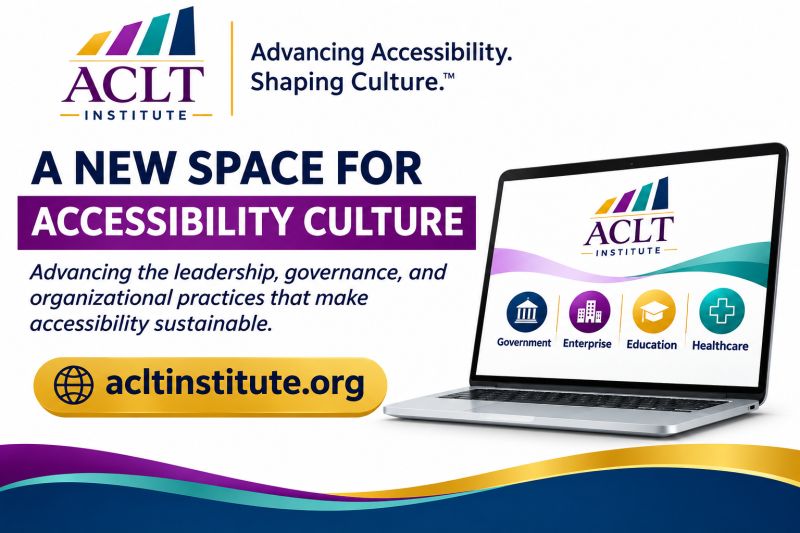
Inaccessible digital experiences exclude people, disrupt productivity, create barriers to services, and undermine trust. Sustainable accessibility requires more than technical fixes and compliance checklists. It requires leadership, governance, accountability, and organizational practices that make inclusion part of everyday work.
At ACLT Institute, we help organizations understand their accessibility culture, identify barriers to progress, and develop practical strategies for lasting organizational change.
We know how to identify accessibility barriers. We know how to test for conformance. We know how to develop standards, policies, and training programs. But some of our most significant challenges aren't technical. How do we influence organizational behavior? How do we cultivate genuine leadership commitment?
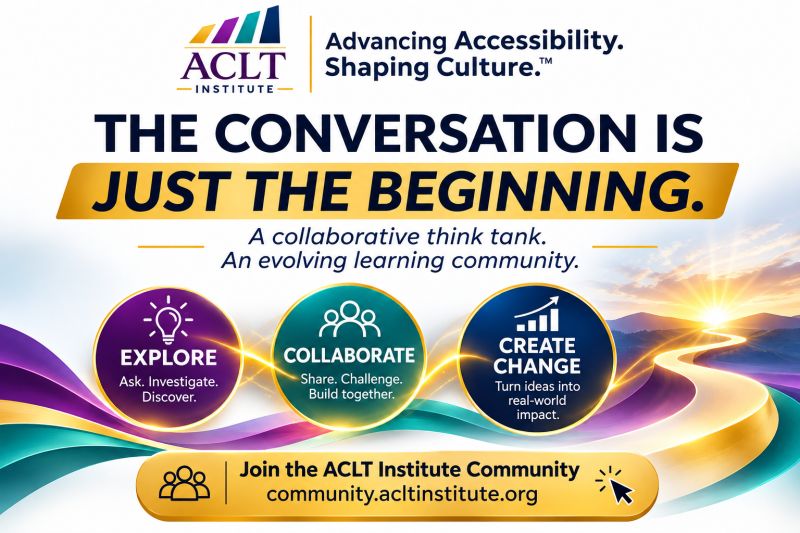
We've started an important conversation about accessibility culture. Now, I want to invite you to help take that conversation somewhere new. Introducing the ACLT Institute Community. My vision is to cultivate a collaborative think tank that grows into a vibrant learning community.
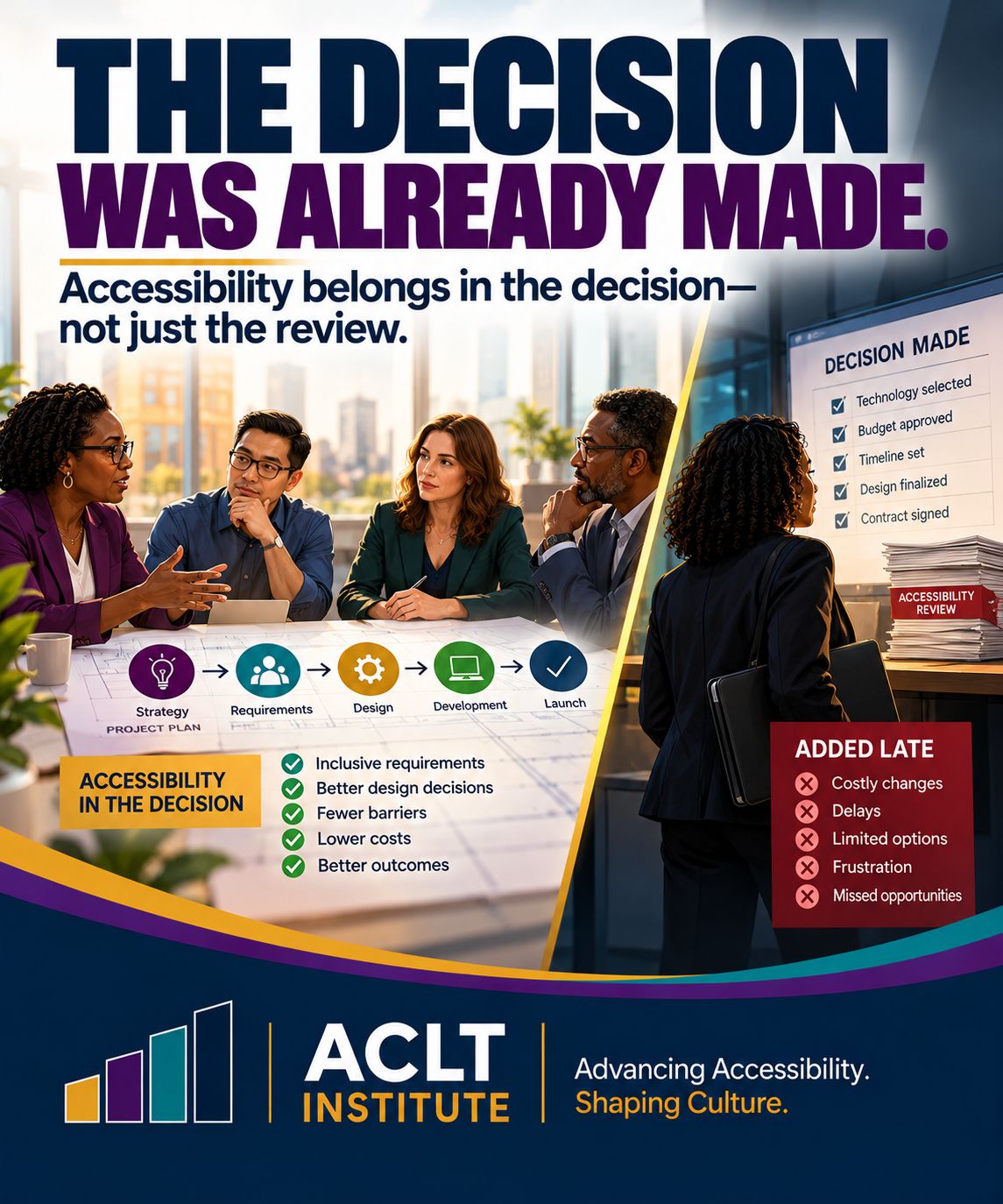
Now we're building something around it. Over the past several weeks, we've explored some challenging questions. What happens when accessibility isn't part of organizational decisions?
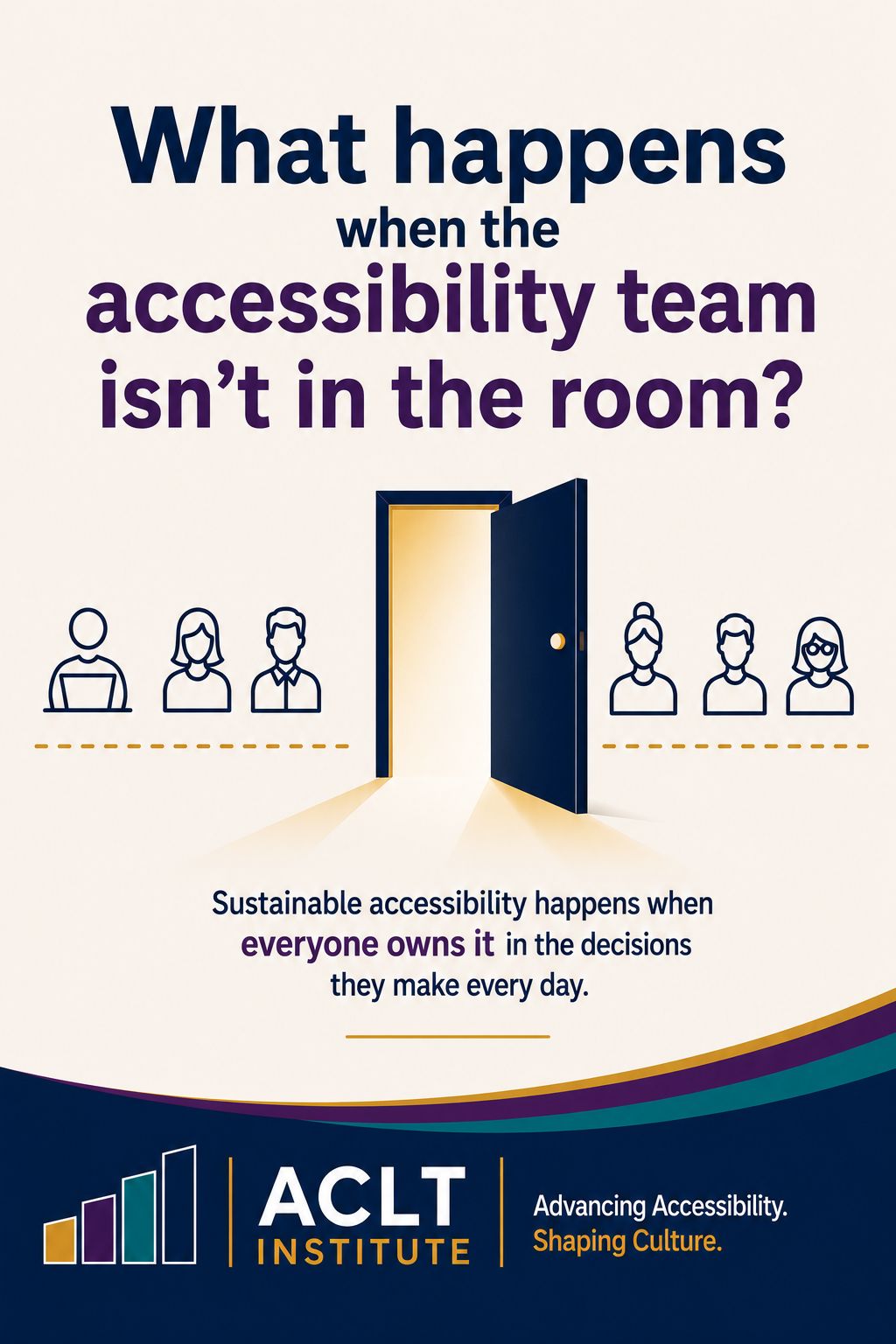
ACCESSIBILITY WASN'T OVERLOOKED. IT WAS INVITED TOO LATE. Consider how many organizational decisions shape accessibility long before anyone evaluates a product.
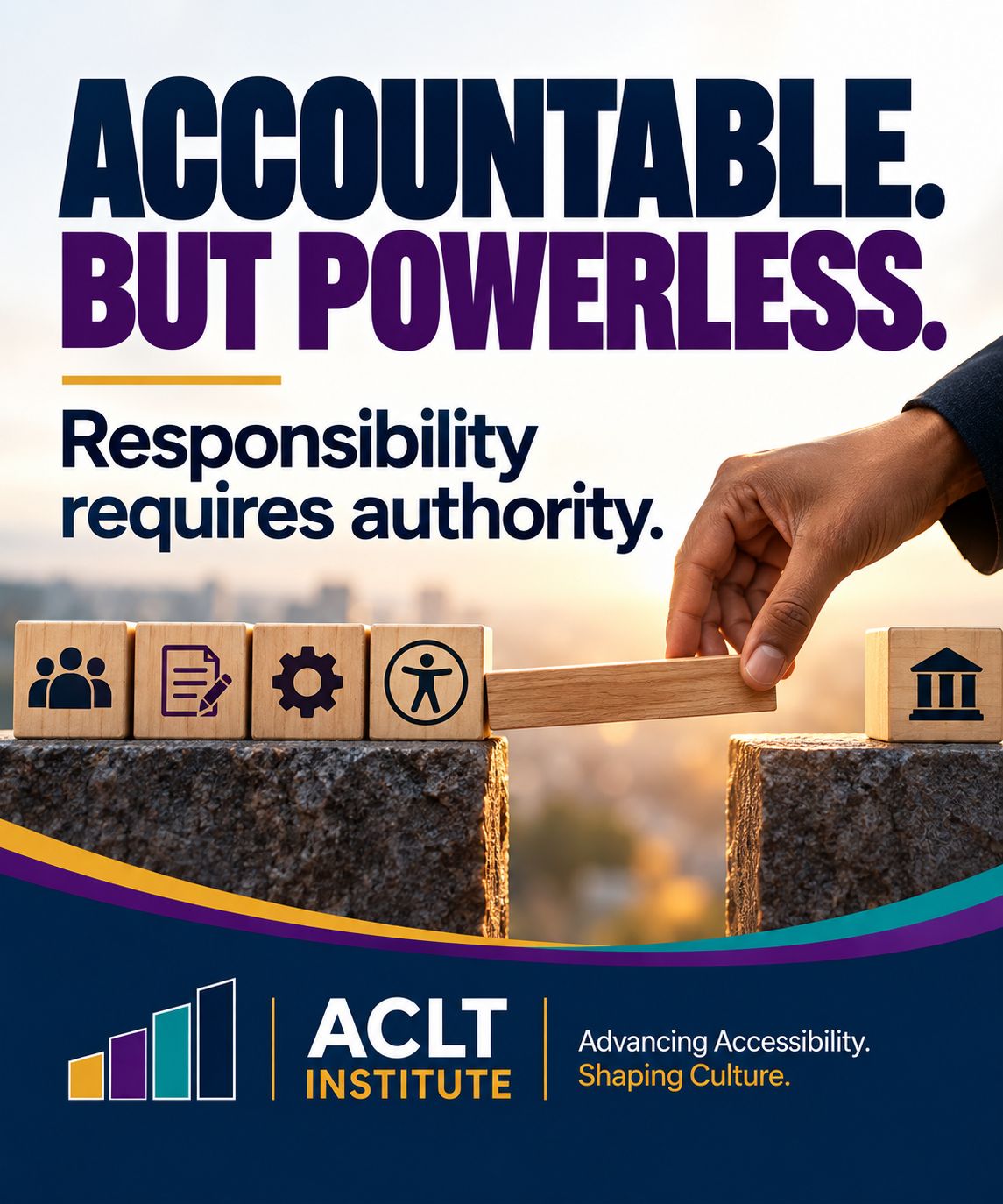
You gave them responsibility. Did you give them authority? Organizations are increasingly recognizing that accessibility cannot belong to one person or department.
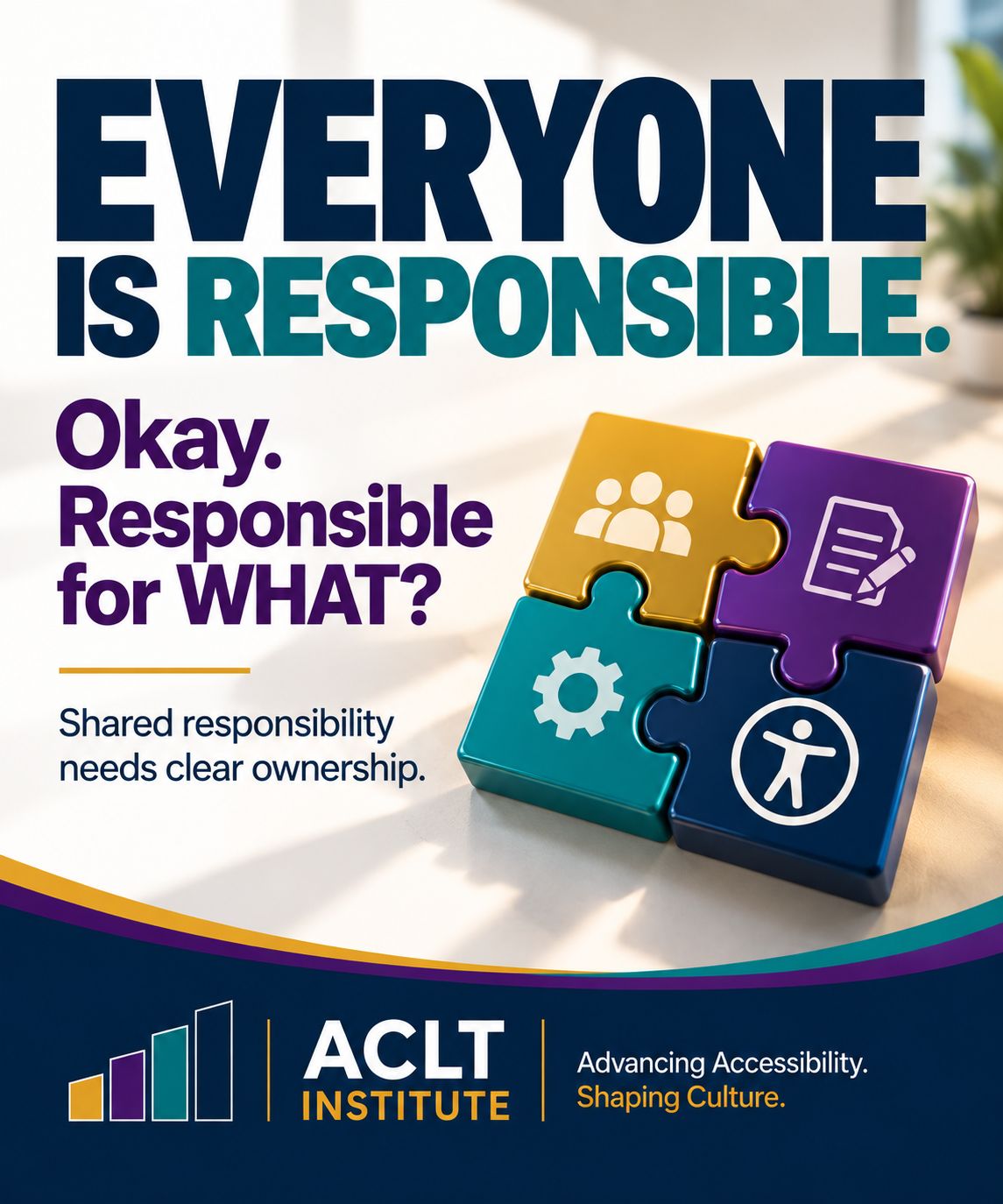
Accessibility is everyone’s responsibility. We say it all the time. And there’s truth in it. But there’s also a risk. When everyone is responsible—but no one knows exactly what they own—accessibility can still fall through the cracks.
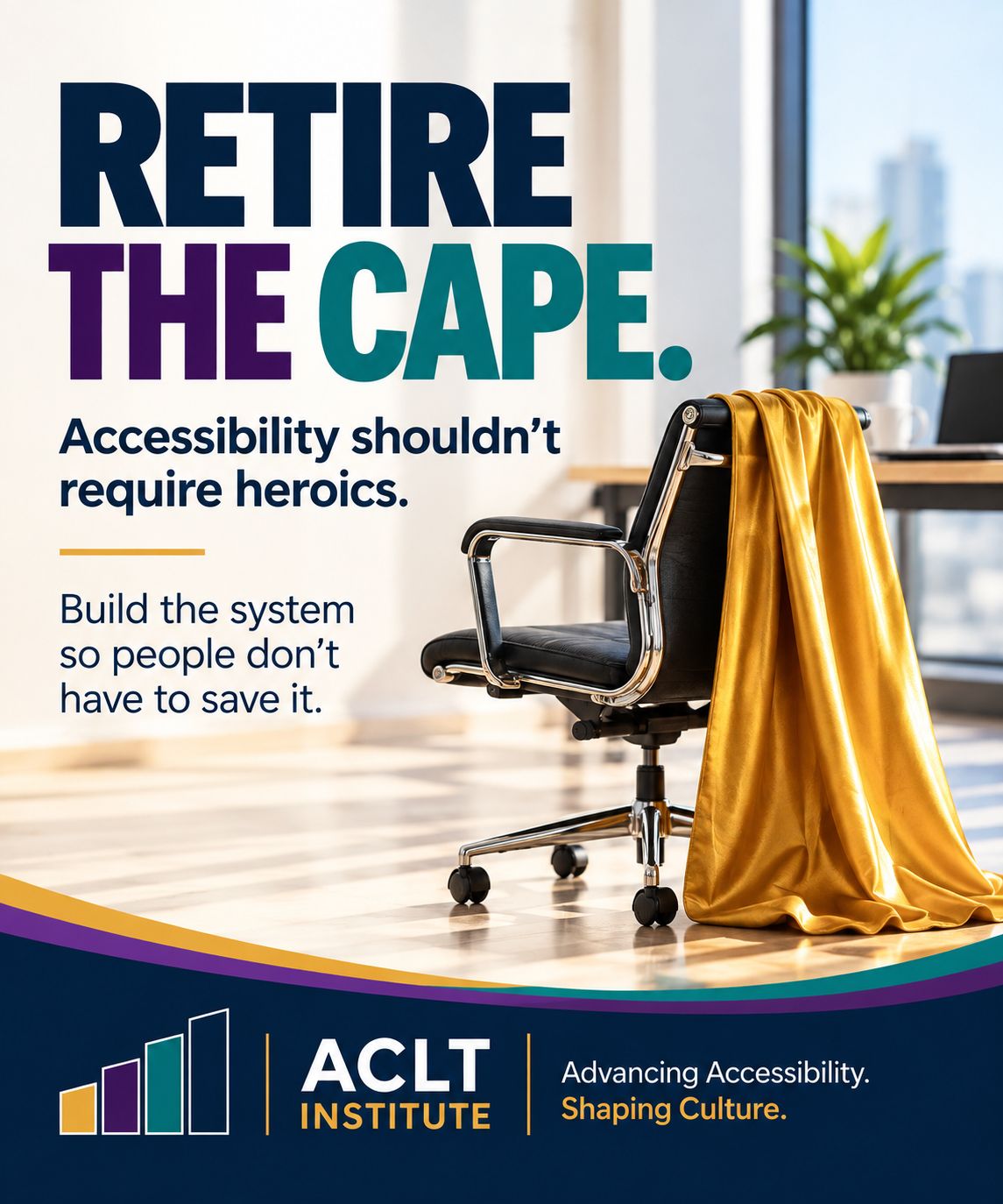
If your accessibility strategy has a hero, you may have a problem. You know the person.The one who catches the issue everyone else missed.Raises the accessibility question in every meeting.Knows exactly who to call.Follows up.Follows up again.And somehow keeps accessibility moving.
Accessibility culture doesn’t happen by accident. Organizations can invest in standards, tools, training, and expertise—and all of those things matter.
Connect with people working to make accessibility part of how organizations lead, make decisions, and deliver digital experiences.
Bring your questions, share what you’re learning, and explore practical ways to strengthen leadership, governance, and everyday accessibility practice.
The effects of inaccessible digital experiences extend across an organization. The decisions behind those experiences are a practical place to begin.
People and participation
A person cannot submit a form, read important information, or complete a service independently. Examine task completion, assistance requests, and reported barriers.
Productivity
Employees repeat work, create workarounds, or wait for remediation. Look at time lost, rework, and recurring issues.
Customer and service experience
Barriers interrupt purchases, appointments, applications, and support. Review task success, abandonment, and accessibility-related support contacts.
Reputation and trust
Repeated unresolved barriers can undermine confidence. Review complaint themes, resolution time, and feedback from affected people.
How ACLTi Can Help
Understand the organizational conditions behind recurring barriers. Clarify ownership and decision authority, strengthen practical capability, and test a focused change with evidence.
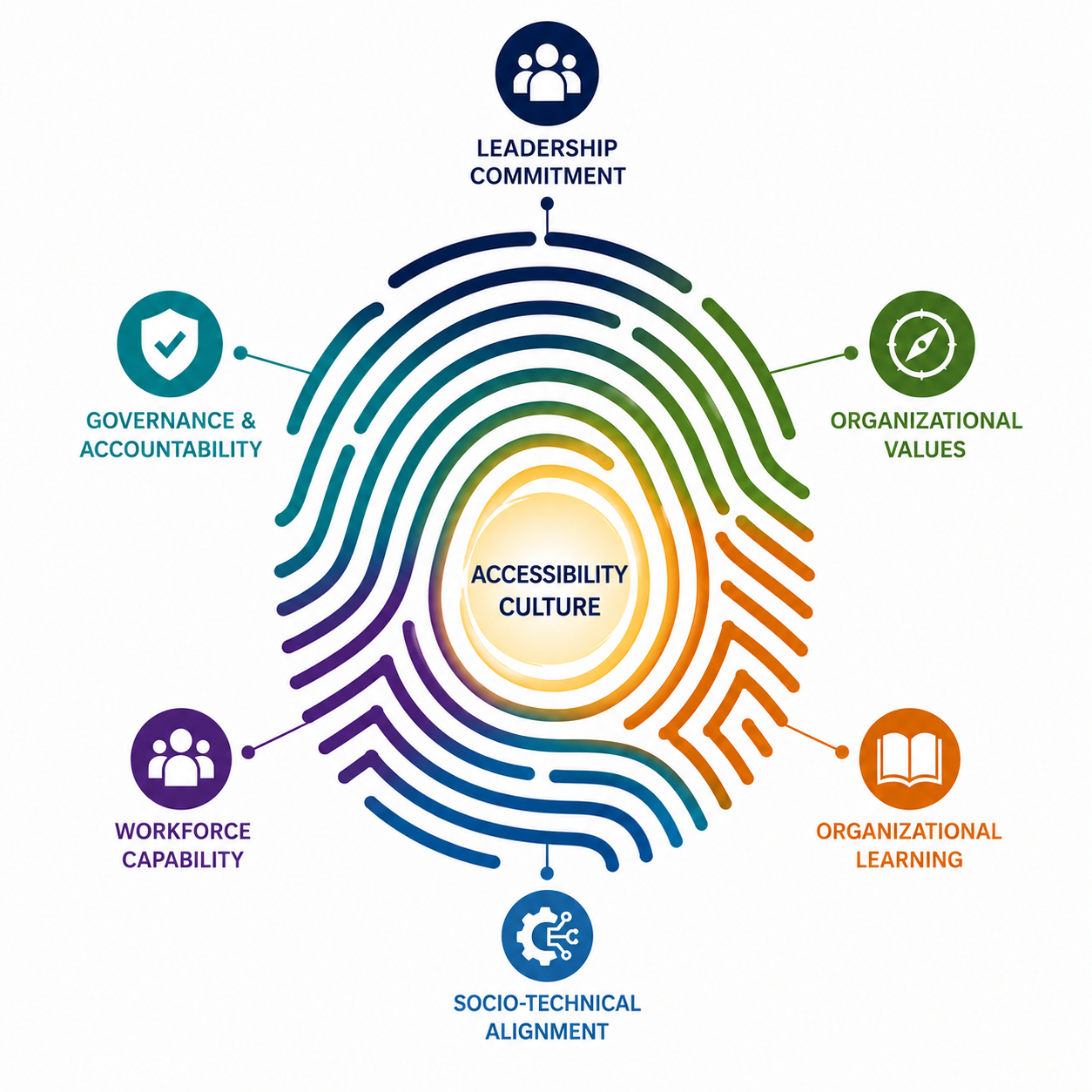
Reflect on six proposed ACLT organizational capabilities. Record the evidence behind your responses, see a developmental baseline, and choose one priority for improvement.
Leadership Commitment
Governance and Accountability
Organizational Values
Workforce Capability
Organizational Learning
Socio-Technical Alignment
Developmental — not validated. This preliminary self-assessment supports planning and conversation. It does not establish a maturity level, certification, technical conformance, or legal compliance.
ACLT Institute connects an emerging leadership theory with practical questions about accessibility culture. Explore how leadership, governance, and organizational systems may support sustained accessibility alongside essential compliance work.
Bring your questions, your professional experience, and your willingness to rethink the familiar. Read a framework, try a planning tool, or use a discussion prompt to examine an everyday decision.
If you’re ready to make accessibility a core part of how your organization works, you belong here.
Our mission
To advance sustainable digital accessibility by helping organizations cultivate the leadership, governance, and everyday practices that make accessibility part of their culture.
Through research, education, and practical resources, ACLT Institute connects inclusive values with organizational action so people, systems, and decisions support meaningful access.
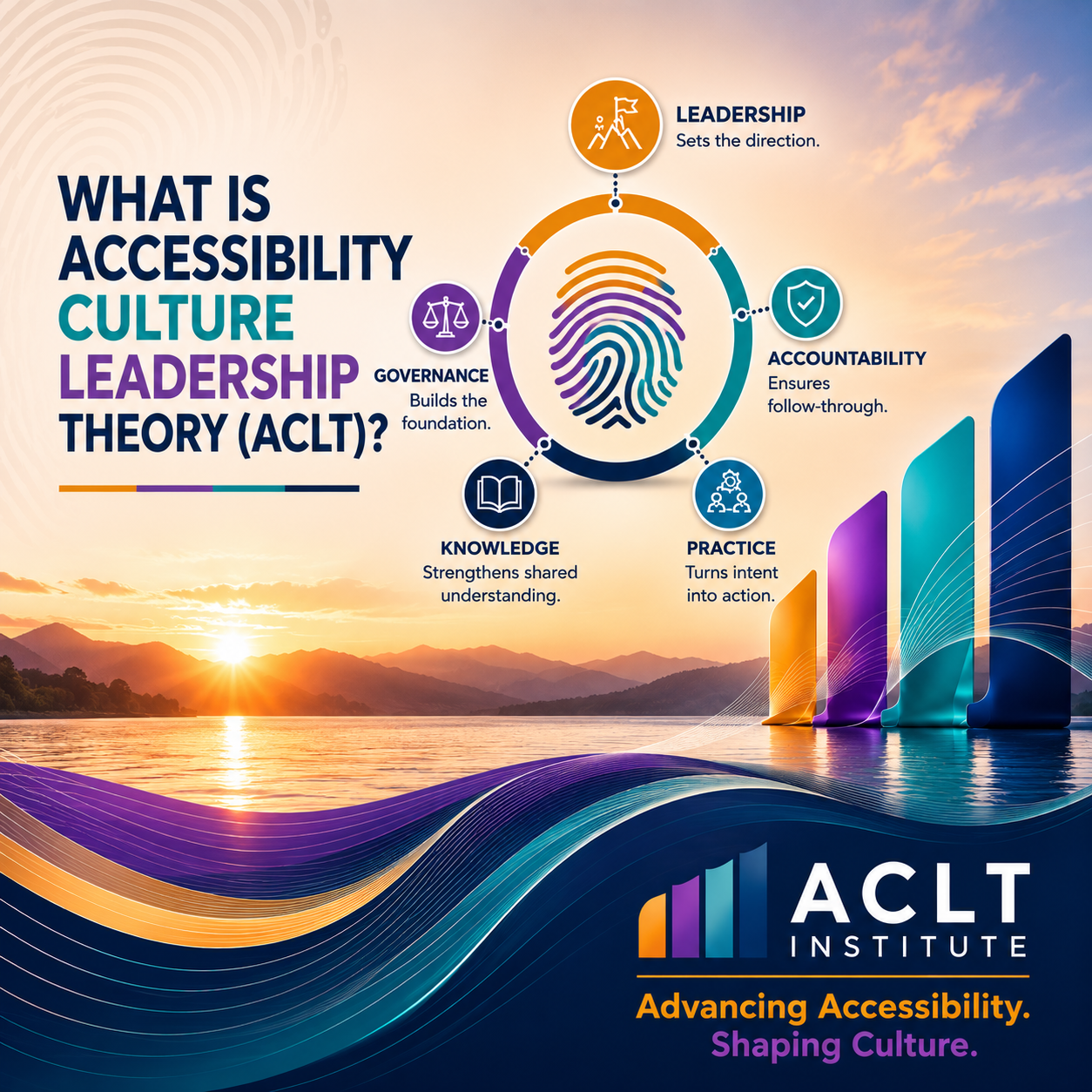
Accessibility Culture Leadership Theory explores how leaders cultivate the conditions that embed accessibility in organizational identity and everyday practice.
Its central proposition is that leaders intentionally cultivate the conditions that bring people, systems, and values together, making accessibility part of how an organization works.
Leadership sets direction. Priorities, decisions, and resources communicate that accessibility matters.
Governance turns intent into structure. Clear ownership, authority, and accountability support consistent action.
Culture makes access a shared expectation. People understand their roles and include disabled people’s experiences in decisions.
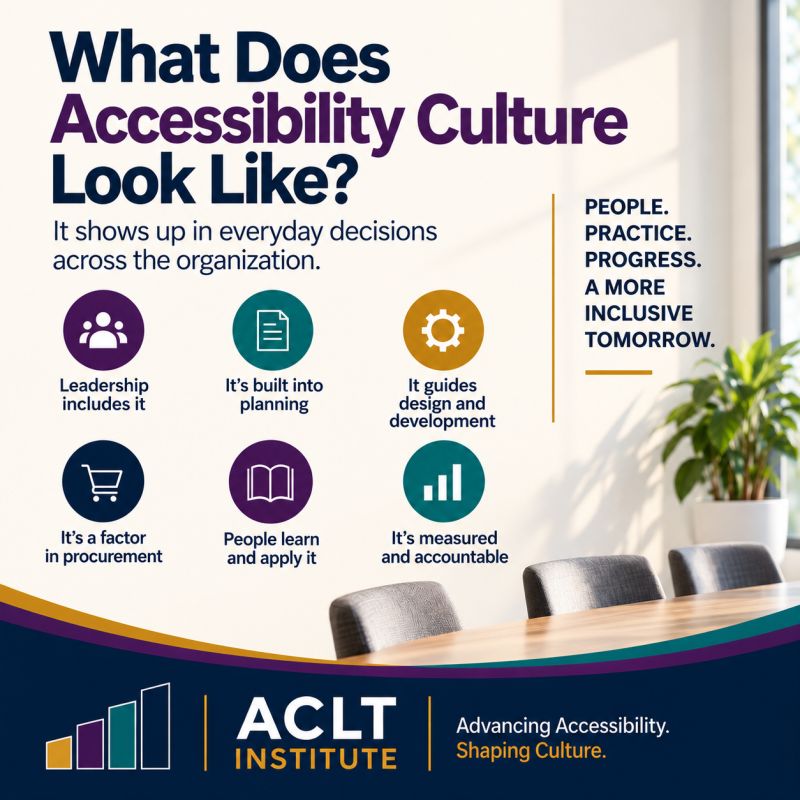
Everyday practice sustains progress. Accessibility is integrated into planning, procurement, design, development, and content.
Learning builds capability. Feedback, education, and reflection help the organization improve over time.
ACLT complements technical standards, testing, and remediation by examining the organizational conditions that support their sustained use.
The theory is developing through research. These introductory resources support reflection; they are not a validated certification or assessment.
This version uses WCAG AA text contrast targets, visible keyboard focus, labelled controls, a skip link, responsive layouts, and native dialog and disclosure controls. Readable HTML versions are provided for Institute starter resources.
Use Tab to move between controls, Enter to follow links, Space to activate buttons, and Escape to close a resource reader. You can zoom and use your browser’s text settings. Testing supports the design but is not a formal WCAG conformance certification.
The reading room
Research and Resource Library
Ideas to explore · Tools to try
Explore resources by purpose, then search or narrow the collection for your work. Browse all five categories.
Institute starter resources are drafts for review.
No resources match these filters
Try a broader search or return to the full collection.
Saved resources and planner notes stay in this browser. Downloads give you a portable copy. Public starter guides are available now. Membership registration will be announced separately.
Join us. Put culture into practice.
Free, Individual, and Corporate Membership
Bring your experience, questions, and commitment to inclusion. Start with the Free tier today, or explore the planned Individual and Corporate pathways for making accessibility part of how people lead, learn, and work.
Free
Start exploring accessibility culture with public tools and the ACLTi community.
$0 · Available now
Public guides, checklists, worksheets, and sector overviews
Developmental assessment and community participation
The Free tier is open for registration now. No Institute account is needed for public resources; community participation uses the community’s own sign-up. Individual and Corporate registration, paid plans, and member-only access are still in development. Compare all three tiers or join at the Free level.